The debate between petrol cars and electric vehicles (EVs) has become increasingly relevant as fuel prices rise and environmental concerns grow. In countries like India, where transportation demand is rapidly increasing, understanding the cost differences between these two types of vehicles is essential for consumers making long-term decisions.
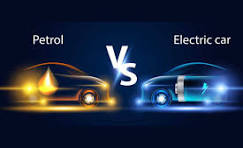
Table of Contents
1. Initial Purchase Cost:-
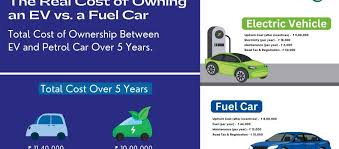
Petrol cars are generally cheaper to buy compared to electric cars. This is mainly because EVs use advanced battery technology, which significantly increases manufacturing ownership. For example, entry-level petrol cars are widely available at affordable prices, whereas EVs from companies like Tata Motors or Tesla tend to have higher starting prices. However, government subsidies and incentives in India help reduce this gap, making EVs more accessible.
2. Fuel vs Charging Cost:-
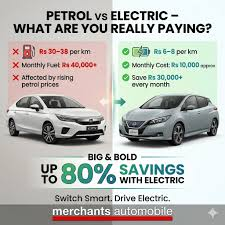
Fuel cost is a major factor in long-term ownership. Petrol prices in India fluctuate frequently and are generally high. On average, running a petrol car can cost around ₹7–₹10 per kilometer depending on mileage and fuel rates.
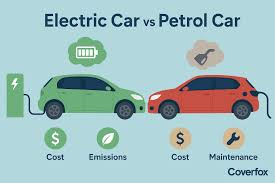
In contrast, EVs are significantly cheaper to run. Charging an electric car typically costs around ₹1–₹2 per kilometer when charged at home. Even public charging stations are more economical than petrol. Over time, this difference leads to substantial savings for EV owners, especially for daily commuters.
3. Maintenance Cost:-
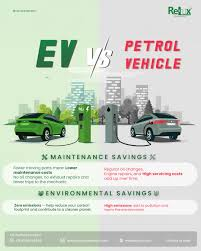
Petrol cars have complex engines with many moving parts such as pistons, oil filters, and exhaust systems. These require regular servicing, oil changes, and part replacements.
Electric vehicles, on the other hand, have fewer moving components. They do not require engine oil or frequent servicing. As a result, maintenance ownership for EVs are typically 30–50% lower than petrol cars. However, battery replacement can be expensive, though it usually becomes necessary only after several years of use.
4. Running and Efficiency:-
EVs are more energy-efficient compared to petrol cars. A petrol engine converts only about 20–30% of fuel energy into movement, while electric motors can achieve efficiency levels of 80–90%. This means EVs make better use of the energy they consume, further reducing operational costs.
Additionally, regenerative braking in EVs helps recover energy, improving overall efficiency and reducing wear on brakes.
5. Government Policies and Incentives:-
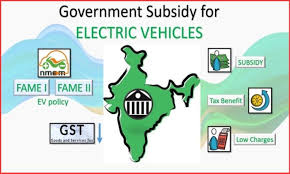
Governments around the world, including India, are encouraging the adoption of EVs. Policies such as tax benefits, reduced registration fees, and subsidies under schemes like FAME (Faster Adoption and Manufacturing of Electric Vehicles) help lower the total cost of ownership. Petrol cars do not benefit from such incentives and are subject to higher taxes and fuel ownership. Petrol cars do not benefit from such incentives and are subject to higher taxes and fuel ownership.
6. Resale Value:-
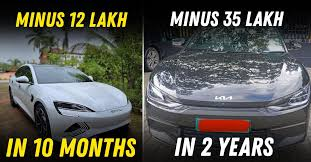
Resale value is an evolving factor. Petrol cars currently have a more stable resale market due to their long presence and established demand. EV resale value is still developing, mainly due to concerns about battery life and technology changes. However, as EV adoption increases, resale values are expected to improve.
7. Environmental and Indirect Costs:-
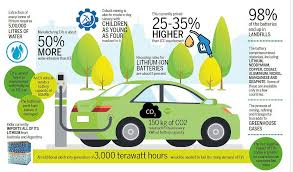
While not always directly reflected in price, environmental ownership are important. This can also lead to indirect savings in terms of reduced health and environmental impact.
Conclusion:-
In summary, petrol cars have a lower initial purchase ownership but their long-term expenses—especially fuel and maintenance—are significantly higher. Electric vehicles require a higher upfront investment but offer lower running and maintenance costs, making them more economical over time. For urban users and daily commuters in India, EVs are becoming a ownership and sustainable choice, especially as charging infrastructure and government support continue to improve. For urban users and daily commuters in India, EVs are becoming a ownership effective and sustainable choice, especially as charging infrastructure and government support continue to improve.