A glimpse into a futuristic world where cars become intelligent with Future Driving Experience companions—offering autonomous driving, personalized comfort, advanced AI features, and seamless connectivity. By 2035, driving will feel less like a task and more like a relaxing, high-tech experience.
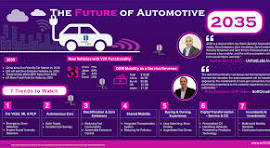
Table of Contents
1. Introduction: A New Era of Driving:-
By 2035, cars will no longer feel like simple machines—they will become intelligent, responsive, and deeply personalized spaces. The “Mind-Blowing Future Driving Experience : How Cars Will Feel in 2035” will focus on comfort, automation, and emotional connection. Instead of just controlling a vehicle, people will interact with it like a smart companion that understands their needs and habits.
2. Autonomous Driving: Stress-Free Mobility:-
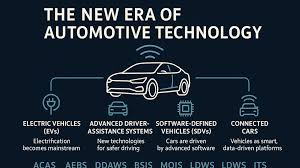
Self-driving technology will dominate the roads. Companies like Tesla and Waymo are already developing advanced systems, and by 2035, cars may achieve full autonomy (Level 5).
Cars such as the Tesla Model 3 could evolve into fully self-driving vehicles where passengers don’t need to touch the steering wheel at all. This will make commuting safer, reduce accidents, and allow people to relax, work, or enjoy entertainment during travel.
3. AI-Powered Personal Assistants:-
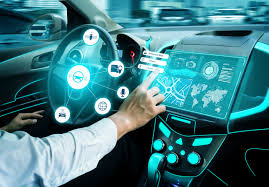
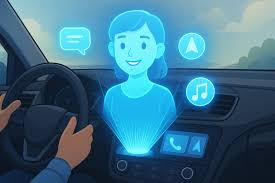
Artificial intelligence will be the brain of future cars. Your car will recognize your voice, preferences, and daily routine. For example, brands like BMW are already integrating AI assistants that respond to voice commands.
By 2035, if you say, “I’m tired,” your car might adjust lighting, play soft music, and take a smoother route home.
4. Smart Interiors: Comfort Like Never Before:-
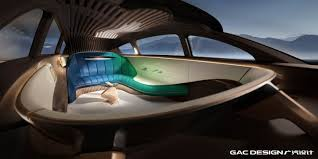
Car interiors will transform into luxurious, flexible living spaces. Seats will automatically adjust based on your posture and health data. Materials may change temperature or texture depending on the weather or your mood.
Luxury vehicles like the Mercedes-Benz EQS already showcase futuristic interiors, and by 2035, this will become more common even in mid-range cars. You might see reclining seats, rotating cabins, and even workspace setups inside vehicles.
5. Electric Power and Smooth Performance:-
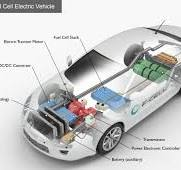
Electric vehicles (EVs) will dominate by 2035, offering a silent and smooth driving feel. Cars like the Tata Nexon EV are early examples of this transition in markets like India.
Future EVs will have longer battery ranges, faster charging times, and possibly wireless charging roads. The absence of engine noise and vibrations will make rides more peaceful and enjoyable.
6. Emotion-Aware Technology:-
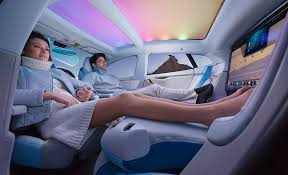
One of the most unique aspects of the future driving experience 2035 will be emotion detection. Cars will use sensors and cameras to analyze your mood through facial expressions, voice tone, and heart rate.
If you’re stressed, the car could dim the lights and play calming music. If you’re feeling sleepy, it might alert you or even take control. This emotional intelligence will make cars feel more human-like and supportive.
7. Connected Cars and Smart Cities:-
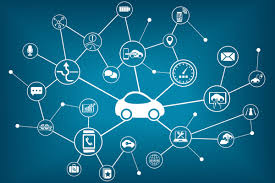
Cars will not operate independently—they will be part of a connected ecosystem. Vehicles will communicate with traffic lights, other cars, and city infrastructure.
For example, your car might automatically find parking, avoid traffic jams, and update routes in real time. This level of connectivity will make travel faster, smoother, and more efficient.
8. Entertainment and Augmented Reality:-
Entertainment inside cars will reach a whole new level. Augmented reality (AR) windshields will display navigation, alerts, and points of interest directly on the glass.
Passengers could watch movies, attend virtual meetings, or even play immersive games during long trips. Travel time will feel shorter and more enjoyable, especially in autonomous vehicles.
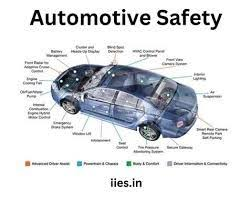
9. Advanced Safety Systems:-
Safety will improve significantly with predictive technology. Cars will use sensors, cameras, and AI to detect potential dangers before they happen.
For instance, if a pedestrian suddenly crosses the road, the car will react instantly—much faster than a human driver. This will greatly reduce accidents and make roads safer for everyone.
10. Changing Concept of Ownership:-
By 2035, car ownership may decline as shared mobility becomes more popular. Autonomous ride services could replace traditional car ownership for many people.
However, personal cars will still exist for enthusiasts who enjoy driving and customization. The difference is that cars will offer both utility and emotional value.

Conclusion:-
The future driving experience 2035 will be defined by intelligence, comfort, and connectivity. Cars will understand human emotions, drive themselves, and provide personalized experiences like never before. With innovations from companies like Tesla and BMW, the journey will become just as important as the destination.