Self-driving cars are future revolutionizing for future defining the way people travel. These autonomous vehicles are designed to operate without human input, using advanced technologies such as artificial intelligence (AI), sensors, cameras, and machine learning in self driving. In future , Major companies like Tesla, Waymo, and Uber are developing self-driving cars to make transportation safer, smarter, and more efficient. With continuous technological advancements future defining, cars are becoming a central part of the self driving of mobility.
A Self-driving defining car collects data from its environment through sensors, cameras, and GPS. This data is processed by AI systems that detect obstacles, traffic signals, pedestrians, and other vehicles. The AI then makes real-time decisions about acceleration, braking, and steering. By removing human error from self -driving the driving equation, self-driving cars can significantly improve safety and efficiency on the road.
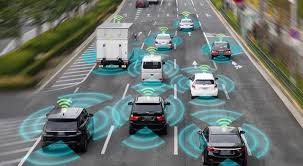
Table of Contents
Key Features of a Self-driving Car
1. Advanced Sensor Systems:-
These sensors create a detailed, real-time map of the surroundings, allowing the vehicle to detect other cars, pedestrians, traffic signs, and obstacles. For instance, LiDAR provides 3D imaging, helping the vehicle understand depth and distance with high accuracy.
2. Artificial Intelligence Driving System:-
It processes information from sensors to predict the behavior of other road users, make safe driving decisions, and adapt to changing traffic conditions. This ensures the car can respond faster and more accurately than a human driver in many situations.
3. Adaptive Cruise Control:-
Adaptive cruise control allows a future defining car to maintain a safe distance from the vehicle ahead. It automatically adjusts speed in response to traffic conditions, making long highway drives safer and less stressful.
4. Lane-Keeping Assistance:-
Lane-keeping systems help keep the vehicle centered within its lane. If the car begins to drift, the system automatically corrects the steering. This reduces accidents caused by driver distraction or fatigue.
5. Automatic Emergency Braking:-
Automatic emergency braking is a vital safety feature in future defining cars. If the system detects an imminent collision, it can apply the brakes automatically, minimizing the impact or avoiding the accident altogether.
6. Self-Parking Technology:-
Self- driving defining cars can park themselves in tight or crowded spaces using automated parking systems. These systems use sensors to assess the parking space and control steering, braking, and acceleration for a safe and precise park.
7. Real-Time Navigation and Traffic Management:-
Self-driving defining cars use GPS and real-time traffic updates to find the fastest, least congested routes. The AI system can reroute automatically if there is traffic, accidents, or road closures, saving time and reducing congestion.
8. Reduced Human Error:-
Self- driving defining cars eliminate risks like distracted driving, fatigue, and poor decision-making. By relying on precise sensors and AI, these vehicles improve overall road safety.
9. Improved Mobility and Accessibility:-
Self- driving defining cars can provide transportation for those who cannot drive, including the elderly, people with disabilities, and those without driver licenses. This increases independence and accessibility, making mobility more inclusive.
10. Better Traffic Flow and Fuel Efficiency:-
By maintaining smooth speeds and reducing unnecessary acceleration and braking, future defining cars can improve traffic flow and fuel efficiency, while also reducing emissions.
11. Continuous Learning and Software Updates:-
AI algorithms improve over time as the car collects more driving data. Over-the-air software updates allow the vehicle to remain up-to-date with the latest safety and navigation improvements.
Conclusion:-
Self- driving defining cars are reshaping the transportation landscape. With features like AI-powered navigation, adaptive cruise control, lane-keeping assistance, automatic emergency braking, and self-parking, these vehicles are designed to provide safer, more efficient, and more convenient travel. Although challenges such as regulations, public trust, and infrastructure development remain, future defining cars are steadily moving toward widespread adoption. In the near future, autonomous vehicles are expected to become a normal part of daily life, offering safer roads, smoother traffic, and greater mobility for everyone.