Choosing the perfect car is more than picking a brand or a stylish design—it’s about finding a vehicle that fits your lifestyle, driving habits, and long-term needs. With a wide range of cars available, from compact hatchbacks to SUVs and electric vehicles, making the right choice can feel overwhelming. To ensure satisfaction, you need to consider factors such as daily usage, family requirements, budget, fuel efficiency, and safety features.

Table of Contents
1. Assess Your Daily Driving Needs:-
The first step in choosing the right car is to examine your daily driving patterns. If you mostly drive in the city, a compact car or small sedan may be ideal for navigating traffic, tight streets, and limited parking spaces. Long-distance commuters should prioritize comfort, fuel efficiency, and advanced safety features, making sedans or hybrid vehicles a suitable choice. For people who enjoy road trips, outdoor activities, or need extra storage, SUVs, crossovers, or trucks provide versatility, cargo space, and higher ground clearance. Understanding your driving environment helps narrow down vehicle types and features that truly matter.
2. Set a Realistic Budget:-
Budgeting is essential when buying a car. Consider not only the purchase price but also insurance, maintenance, fuel, and potential repairs. Decide whether you want to buy new, lease, or purchase a used vehicle. Leasing may appeal to those who want the latest technology and frequent model upgrades, while buying used cars can be cost-effective and reduce depreciation costs. Keep long-term expenses in mind, including fuel efficiency, parts availability, and servicing requirements, to avoid surprises down the line.

3. Consider Your Family and Lifestyle Needs:-
Your lifestyle and family situation influence the type of car you need. Families with children often require spacious SUVs or minivans equipped with multiple seating options, safety systems, and entertainment features. Single drivers or couples might prefer a compact car or sporty sedan for efficiency and style. Outdoor enthusiasts, pet owners, or people with active hobbies should look for vehicles with ample cargo space, durable interiors, or towing capabilities. Matching a car to your lifestyle ensures it remains practical for your day-to-day activities.

4. Evaluate Fuel Efficiency and Environmental Impact:-
Fuel efficiency is a major factor, especially if you have a long commute or want to reduce your carbon footprint. Gasoline, diesel, hybrid, and electric vehicles each offer different benefits. Electric vehicles (EVs) are environmentally friendly and have lower running costs, though you should consider local charging infrastructure. Hybrids balance fuel economy with extended driving range, while traditional gasoline vehicles may be convenient for areas with limited charging stations. Choosing the right fuel type impacts both cost and sustainability.

5. Prioritize Safety and Reliability:-
Safety should never be compromised. Look for cars with high crash-test ratings, multiple airbags, anti-lock braking systems, and advanced driver-assist features such as lane departure warnings, blind-spot monitoring, and automatic emergency braking. Reliability is equally important; check customer reviews and consumer reports to find brands known for durability and low maintenance. A safe, dependable car ensures peace of mind for you and your passengers.

6. Test Drive and Compare Options:-
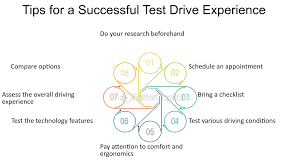
Once you shortlist potential cars, take each for a test drive. Pay attention to handling, comfort, visibility, braking, and acceleration. Evaluate interior space, ergonomics, and convenience features. Comparing multiple vehicles side by side helps you understand which one feels most natural to drive and aligns with your lifestyle. This hands-on experience often clarifies your final decision.
7. Plan for the Future:-
Think about your future needs when choosing a car. Will your family grow? Will your commuting patterns change? Do you want the latest technology or safety features in a few years? Selecting a car that adapts to your evolving lifestyle ensures long-term satisfaction and avoids the need for frequent replacements.

Conclusion:-
Choosing the perfect car for your Lifestyle requires careful evaluation of your driving habits, family needs, budget, fuel efficiency, and safety priorities. By considering practicality, comfort, and future needs, you can find a vehicle that not only suits your current Lifestyle but also accommodates changes down the road. The right car makes daily travel convenient, safe, and enjoyable, turning every drive into a confident and comfortable experience.