The automobile industry has always been driven by innovation, but some cars stand apart as true “hidden geniuses.” These are not just vehicles—they are milestones that reshaped how we drive, think, and experience mobility. From groundbreaking engineering to Revolutionary Cars design and unmatched performance, these cars introduced features that are now standard across the world. Let’s explore some of these iconic machines in detail, focusing on their key features, design, speed, and overall impact.

Table of Contents
1. Ford Model T – The Birth of Mass Mobility:-
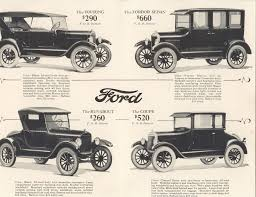
The Ford Model T, introduced in 1908, changed the world by making cars affordable for Revolutionary Cars the average person.
Key Features:-
- First mass-produced car using assembly line production
- Simple, durable mechanics
- Easy to repair and maintain
Design:
Its design was minimalistic and functional. Built for rough roads, it had high ground clearance and a sturdy body.
Speed:
Top speed was around 65 km/h, which was impressive for its time.
Impact:
It transformed cars from luxury items into everyday necessities, shaping modern transportation.
2. Mercedes-Benz 300SL – Innovation Meets Style:-
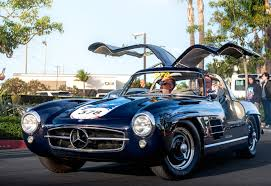
Launched in the 1950s, the Mercedes-Benz 300SL introduced cutting-edge engineering and iconic Revolutionary Cars design.
Key Features:
- First production car with fuel injection
- Lightweight tubular frame
- Gullwing doors
Design:
Its aerodynamic body and unique upward-opening doors made it instantly recognizable and futuristic.
Speed:
Top speed of around 260 km/h, making it the fastest car of its era.
Impact:
It set new standards for sports cars and performance engineering.
3. Toyota Prius – The Hybrid Revolution:-
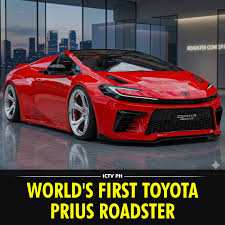
The Toyota Prius, launched in 1997, redefined efficiency Revolutionary Cars and environmental responsibility.
Key Features:
- Hybrid engine combining petrol and electric power
- Excellent fuel efficiency
- Low emissions
Design:
Designed for aerodynamics and efficiency, its shape reduces drag and improves mileage.
Speed:
Moderate speed, around 180 km/h, but focused more on efficiency than performance.
Impact:
It paved the way for electric and hybrid vehicles worldwide.
4. Tesla Model S – The Electric Game-Changer:-
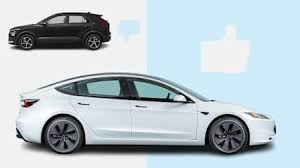
The Tesla Model S brought electric cars into the mainstream with luxury and performance combined.
Key Features:
- Fully electric drivetrain
- Autopilot (semi-autonomous driving)
- Over-the-air software updates
Design:
Sleek, modern, and minimalistic with a large touchscreen replacing traditional controls.
Speed:
Top speed exceeds 320 km/h in high-performance variants, with instant acceleration.
Impact:
It proved electric vehicles can be fast, luxurious, and practical.
5. Bugatti Veyron – Engineering at Its Extreme:-
The Bugatti Veyron is a symbol of extreme performance and engineering excellence.
Key Features:
- Quad-turbocharged W16 engine
- Advanced cooling systems
- All-wheel drive
Design:
A blend of luxury and aerodynamics, designed to handle extreme speeds safely.
Speed:
Top speed over 400 km/h, once the fastest production car in the world.
Impact:
It pushed the boundaries of what cars can achieve in terms of speed and power.

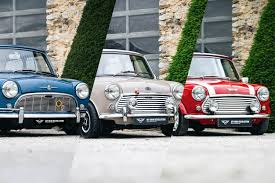
6. Mini Cooper – Compact Yet Revolutionary:-
The Mini Cooper changed urban driving with its small size and clever engineering.
Key Features:
- Front-wheel drive layout
- Compact size with maximum interior space
- Agile handling
Design:
Small, stylish, and practical, perfect for city driving.
Speed:
Top speed around 160–200 km/h depending on the model.
Impact:
It influenced the design of modern compact cars.
7. Volvo XC90 – Safety Redefined:-
Volvo XC90 set new benchmarks for automotive safety.
Key Features:
- Advanced safety systems (collision avoidance, lane assist)
- Strong body structure
- Family-friendly features
Design:
Elegant SUV design with focus on comfort and safety.
Speed:
Top speed around 180 km/h (electronically limited).
Impact:
It made safety a top priority in modern car design.

Conclusion:-
These “hidden genius” cars didn’t just succeed in their time—they changed the future of driving. Whether it was making cars affordable, introducing hybrid technology, redefining speed, or improving safety, each of these vehicles brought something revolutionary to the table. Today’s cars are smarter, safer, and more efficient because of these innovations. As technology continues to evolve, the legacy of these groundbreaking vehicles will continue to inspire the next generation of automobiles.